SaaS vs PaaS vs IaaS: Whats The Difference & How To Choose BMC Software Blogs

Content
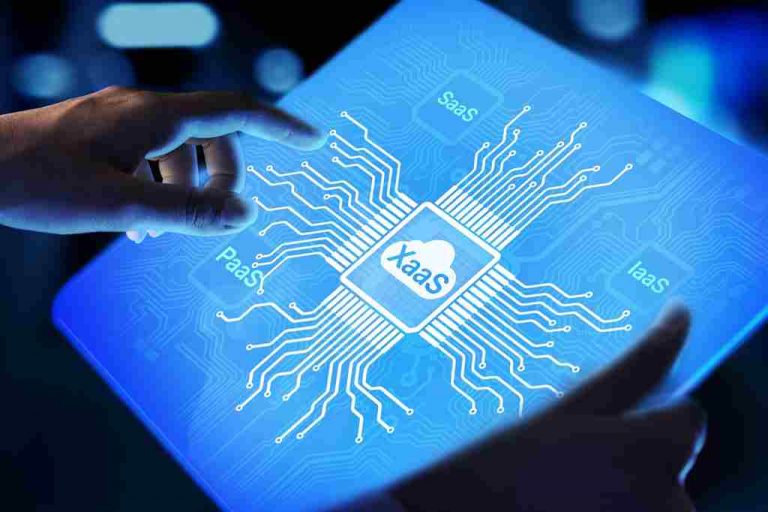
The ability to pay on a recurring or per-use basis enables enterprises to eliminate the capital expenses they traditionally have for on-premises hardware and software. Effectively, PaaS shifts the responsibility for providing, managing and updating key tools from the internal IT team to the outside PaaS provider. Essentially, it is a cloud computing platform that allows developers to create, deploy, and manage applications without the need for infrastructure management. PaaS, SaaS and IaaS represent the three most common models for service delivery in cloud computing and the three most readily available alternatives to full on-premise IT infrastructure deployment. The difference between each cloud computing model is based on the portions of the technology stack outsourced to a third-party vendor and which functions are managed in-house.
Therefore, developers can be limited by the capabilities of the selected platform, such as supported PaaS databases or programming languages. In order for a business to remain competitive, it often requires a cross-platform solution that can be leveraged to create web, desktop, and mobile applications available for any particular device. PaaS is the best option for this purpose because it provides a singular development environment that can be used instead of using different development frameworks for specific platforms. Red Hat OpenShift is a Kubernetes container platform made for hybrid cloud and multi-cloud use.
Solutions
With PaaS, you will be highly dependent on a single vendor since it provides and manages all the hardware and software included in the platform. Therefore, you will have less control over the availability of your application. Unexpected outages of your cloud provider can potentially cost you lost revenue, customers, and productivity. At one end of the spectrum, IaaS https://globalcloudteam.com/ allows customers to manage their own fleet of virtual servers, which includes responsibility for the application runtime environment, operating system, and middleware. On the other end, SaaS offerings give customers “no-code” tools for creating apps in a highly structured environment. The cloud has dramatically changed how business applications are built and run.

There are several PaaS solutions on the market today, and Salesforce is one of the most popular due to its simplicity, scalability, and reliability. Millions of developers use the Salesforce Platform’s no-code, low-code, and pro-code tools to build apps on top of Salesforce, and millions more build and run fully custom apps on Salesforce Heroku. The more users, and the more specific the code, the slower your application could run and the more difficult it will be to migrate from one service provider to another, should you need to. As your app grows and develops, adding more and more users, you want to make sure you can scale easily with your provider and have the options you need available. Developers can quickly get the tools and resources they need through self-service capabilities. Development environments automatically provision, so teams can focus on work that adds value rather than on routine infrastructure management.
Test the PaaS solution
This type of platform can quickly scale up or down to meet the changing needs of your business. This innovative technology can help you streamline your operations and improve your bottom line. However, choosing the right one for your business can take time and effort, especially with so many different options on the market. If you’re looking for a way to make your business more efficient, you should consider a platform as a service or PaaS. By clicking “Submit”, you agree to be contacted by Dell Technologies and its group of companies(“Dell”) Sales representative. For more information about how Dell uses, shares, and protects your personal data, see our Privacy Statement.If you are already receiving great offers from Dell, you may click hereto sign in and update your preference.
Let’s see how PaaSes differ through the prism of their use cases and supported technologies, and how to determine which one will meet specific needs. Cloud platform services, also known as Platform as a Service , provide cloud components to certain software while being used mainly for applications. PaaS delivers a framework for developers that they can build upon and use to create customized applications. All servers, storage, and networking can be managed by the enterprise or a third-party provider while the developers can maintain management of the applications.
PaaS and aPaaS: Similarities and Differences
For example, most PaaS environments include mPaaS capabilities, which allow developers to optimize a traditional computer app for mobile devices. Special features such as video, phone call and text messaging can also easily be added to applications through cPaaS solutions. PaaS (platform-as-a-service) is a form of cloud computing that enables software developers to build, run, and manage software applications easily, without worrying about underlying infrastructure.
- One of the first PaaS options, AWS Elastic Beanstalk enables quick deployment and management of cloud applications without having to learn about the underlying infrastructure.
- For your security, if you’re on a public computer and have finished using your Red Hat services, please be sure to log out.
- But increasingly, microservices users agree that the results—including improved developer productivity, greater customer satisfaction, and faster time to market—are well worth the effort.
- This gives teams assurance that their infrastructure is locked down to prevent data breaches or other undesirable security failure scenarios.
The user can choose to maintain the software, or have the provider maintain it. A platform as a service is a cloud computing model in which a third-party provider delivers hardware and software tools — usually those needed for application development — to users over the Internet. PaaS providers typically take on the burden of managing infrastructure, scalability, and availability for their customers. Platform-as-a-service is a cloud computing model where a third-party provider offers a platform that its customers can use to develop, run, and manage their own apps.
PaaS Characteristics
Most PaaS providers have user interface dashboards that provide a visual description of the current deployment. This allows teams to better see and grasp advantages of paas the layout of their live microservice deployment. Platform as a service providers offer helpful dashboards to analyze and manage infrastructure cost.
While performing PaaS migration, organizations need to test their platform to ensure success. They also need to check if users can access the required data and systems. Also, the smooth functioning of the software and hardware integrations under the PaaS platform needs to be checked and verified. MPaaS is a PaaS that simplifies application development for mobile devices. MPaaS typically provides low-code (even simple drag-and-drop) methods for accessing device-specific features including the phone’s camera, microphone, motion sensor and geolocation capabilities.
How can you ensure PaaS security as a managed service provider?
A cloud services provider hosts and maintains all of the hardware and software included in the platform in its own data centers. Platform as a Service benefits include more efficient application development. Platform as a Service solutions permit the customer to focus on the application itself. The provider or IT department manages runtime, middleware, operating system, virtualization, servers, storage and networking. Development tools offered by the provider are customized according to the needs of the customer.